

Nourishing Body and Spirit Through Chinese and Ayurvedic Winter Wisdom
This article explores how Traditional Chinese Medicine (TCM) and Ayurvedic medicine support the body during winter through seasonal rest, warming foods, and restorative self-care rituals. Both traditions invite us to slow down, nourish deeply, and align with winter’s natural rhythm.
As the world slows beneath the hush of winter air, both Traditional Chinese Medicine (TCM) and Ayurvedic medicine encourage us to do the same. They invite us to turn inward, rest deeply, and build warmth from within.
The Wisdom of Water and Stillness: Chinese Medicine
In Chinese medicine, winter is guided by the Water Element, which represents reflection, rest, and the flow of life force, or Qi. The kidneys and bladder are most active during this season and are viewed as the body’s energy reserves — like roots storing strength beneath frozen soil.
“In stillness, the true energy returns.”
— Taoist Proverb
In Chinese medicine, practitioners value seasonal fruits like pears and apples for their ability to moisten the lungs and ease winter dryness.
Herbs such as rehmannia, astragalus, and goji berries help strengthen the body’s reserves. Chinese medicine teaches that keeping the lower back and feet warm helps protect kidney energy. Gentle movement practices like Tai Chi or Qigong promote circulation without overexertion, encouraging calm, balanced vitality.
The Ayurvedic Embrace of Winter’s Depth
Ayurveda, the ancient healing tradition of India, sees winter as a time to ground and nourish. Cold weather can leave the body feeling dry or heavy. Ayurveda responds with warmth, routine, and comforting foods.
Meals rich in ghee, cooked grains, root vegetables, and lightly spiced fruits help maintain strength and hydration. Simmering pears or apples with cinnamon, ginger, or cardamom is a simple and soothing way to support the lungs and digestion. Heartier vegetables like winter squash and sweet potatoes also provide grounding energy and natural sweetness that calm the system.
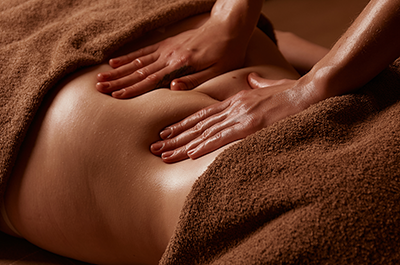
This is also an ideal time for gentle, detoxifying rituals that move stagnation and improve circulation. A deeply comforting treatment for winter is lymphatic drainage massage paired with a warm castor oil pack over the abdomen or chest. Traditionally, practitioners use castor oil to encourage healthy flow and release tension, while massage supports the body’s natural cleansing system.
A warm self-massage using sesame or almond oil can also calm the mind and ease winter dryness. Paired with restorative yoga, meditation, and early bedtimes, these habits mirror the season’s quiet rhythm of rest and renewal.

Shared Wisdom: The Art of Living Seasonally
Though their roots are worlds apart, both Chinese and Ayurvedic medicine share one truth: health thrives when we live in rhythm with nature. In winter, that means slowing down, eating warm and nourishing foods, and tending to the body’s need for stillness and reflection.
By aligning with winter’s quiet power — through rest, warmth, and mindful care — we replenish the body’s deep reserves.
Winter’s stillness is not emptiness but preparation. By feeding our inner fire with rest, healing foods like pears, apples, and root vegetables, and self-care rituals, we nurture the strength that will blossom again when spring returns.
Winter Wellness Tips from TCM and Ayurveda
- Sip ginger tea with lemon throughout the day
- Aim to sleep before 10 p.m. to nourish kidney energy
- Practice gentle yoga or Qigong instead of intense workouts
- Apply warm castor oil packs weekly to support lymphatic flow
- Eat slow-cooked stews and soups such as lentils, carrots, and barley
- Stew pears or apples with warming spices to hydrate lungs and reduce dryness
Try out our Warm Pear Elixir Recipe for Lung and Digestive Health